Artificial Intelligence (AI) has emerged as a transformative force in the realm of business operations, reshaping how organizations function and compete in an increasingly digital landscape. The integration of AI technologies into various business processes has not only enhanced operational efficiency but has also opened new avenues for innovation and growth. From automating routine tasks to providing deep insights through data analysis, AI is revolutionizing traditional business models and enabling companies to respond more adeptly to market demands.
The adoption of AI in business is not merely a trend; it represents a fundamental shift in how organizations leverage technology to achieve their objectives. Companies across diverse sectors, including finance, healthcare, retail, and manufacturing, are harnessing AI to streamline operations, enhance customer experiences, and drive strategic decision-making. As businesses navigate the complexities of a global economy, the ability to utilize AI effectively can be a significant differentiator, allowing organizations to stay ahead of the competition and adapt to ever-changing market conditions.
Key Takeaways
- AI is revolutionizing business operations by automating tasks, analyzing data, improving customer service, managing supply chains, enhancing cybersecurity, and facilitating employee training.
- Automation through AI leads to increased efficiency, reduced errors, and cost savings in business operations.
- AI enables businesses to analyze large volumes of data to make informed decisions and gain competitive advantages.
- AI in customer service allows for personalized interactions and improved customer satisfaction.
- AI in supply chain management helps optimize inventory, reduce costs, and improve delivery times, while also enhancing cybersecurity and managing risks.
Automation and Efficiency
One of the most significant advantages of AI in business operations is its capacity for automation, which leads to enhanced efficiency across various functions. By automating repetitive and mundane tasks, organizations can free up valuable human resources to focus on more strategic initiatives. For instance, in manufacturing, AI-powered robots can handle assembly line tasks with precision and speed, reducing the likelihood of human error and increasing production rates.
This not only optimizes resource allocation but also minimizes operational costs, allowing companies to reinvest savings into innovation and growth. Moreover, automation through AI extends beyond physical tasks; it encompasses administrative functions as well. For example, AI-driven software can manage scheduling, invoicing, and data entry with remarkable accuracy.
This level of automation not only accelerates processes but also enhances data integrity by reducing the potential for human error. As a result, businesses can operate with greater agility, responding swiftly to changes in demand or market conditions without being bogged down by manual processes.
Data Analysis and Decision Making
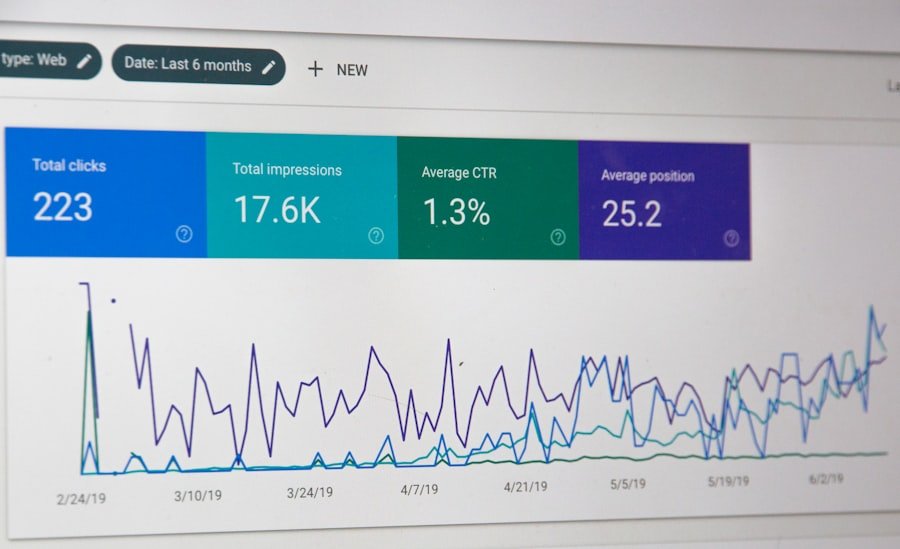
In today's data-driven world, the ability to analyze vast amounts of information quickly and accurately is paramount for effective decision-making. AI excels in this domain by employing advanced algorithms and machine learning techniques to sift through complex datasets, uncovering patterns and insights that would be nearly impossible for humans to discern. For instance, financial institutions utilize AI to analyze transaction data in real-time, identifying fraudulent activities with remarkable accuracy.
This capability not only protects the organization from potential losses but also enhances customer trust and satisfaction. Furthermore, AI's predictive analytics capabilities empower businesses to make informed decisions based on future trends rather than solely relying on historical data. Retailers can leverage AI to forecast inventory needs by analyzing purchasing patterns and external factors such as seasonality or economic indicators.
This proactive approach minimizes stockouts and overstock situations, optimizing inventory management and ultimately improving profitability. By integrating AI into their decision-making processes, organizations can enhance their strategic planning and operational effectiveness.
Customer Service and Personalization
| Metrics | Customer Service | Personalization |
|---|---|---|
| Customer Satisfaction | 85% | 90% |
| Response Time | 30 minutes | 20 minutes |
| First Contact Resolution | 70% | 80% |
| Personalized Recommendations | N/A | Yes |
The integration of AI into customer service has revolutionized how businesses interact with their clients. Chatbots and virtual assistants powered by natural language processing (NLP) are now commonplace, providing immediate responses to customer inquiries around the clock. These AI-driven tools can handle a multitude of queries simultaneously, significantly reducing wait times and improving overall customer satisfaction.
For example, companies like Amazon utilize AI chatbots to assist customers with order tracking, product recommendations, and troubleshooting issues, creating a seamless shopping experience. Moreover, AI enables a level of personalization that was previously unattainable. By analyzing customer behavior and preferences through data collected from various touchpoints, businesses can tailor their offerings to meet individual needs.
Streaming services like Netflix employ sophisticated algorithms that analyze viewing habits to recommend content uniquely suited to each user. This personalized approach not only enhances user engagement but also fosters brand loyalty as customers feel understood and valued.
Supply Chain Management
AI's impact on supply chain management is profound, as it enhances visibility, efficiency, and responsiveness throughout the entire supply chain ecosystem. By utilizing machine learning algorithms to analyze historical data and real-time information from various sources, businesses can optimize inventory levels, forecast demand accurately, and streamline logistics operations. For instance, companies like Walmart leverage AI to manage their supply chains effectively by predicting demand fluctuations based on factors such as weather patterns or local events.
Additionally, AI can enhance supplier relationship management by assessing supplier performance through data analysis. Organizations can identify potential risks or inefficiencies within their supply chains by monitoring key performance indicators (KPIs) in real-time. This proactive approach allows businesses to mitigate risks before they escalate into significant issues, ensuring a more resilient supply chain capable of adapting to disruptions or changes in market conditions.
Cybersecurity and Risk Management

As businesses increasingly rely on digital technologies and data-driven processes, the importance of cybersecurity cannot be overstated. AI plays a crucial role in enhancing cybersecurity measures by identifying potential threats and vulnerabilities in real-time. Machine learning algorithms can analyze network traffic patterns to detect anomalies that may indicate cyberattacks or breaches.
For example, companies like Darktrace utilize AI-driven cybersecurity solutions that autonomously learn the normal behavior of an organization’s network and can respond to threats without human intervention. Moreover, AI can assist in risk management by providing predictive analytics that help organizations anticipate potential risks before they materialize. By analyzing historical data and current trends, businesses can develop risk mitigation strategies tailored to their specific vulnerabilities.
This proactive approach not only safeguards sensitive information but also instills confidence among stakeholders that the organization is committed to maintaining robust security protocols.
Employee Training and Development
The integration of AI into employee training and development programs is transforming how organizations cultivate talent and enhance workforce capabilities. AI-driven learning platforms can personalize training experiences based on individual employee needs and learning styles. For instance, companies like IBM have developed AI-powered training systems that assess employees' skills gaps and recommend tailored learning paths to address those gaps effectively.
Furthermore, virtual reality (VR) and augmented reality (AR) technologies powered by AI are being utilized for immersive training experiences across various industries. In sectors such as healthcare or manufacturing, employees can engage in realistic simulations that allow them to practice skills in a safe environment before applying them in real-world scenarios. This innovative approach not only accelerates the learning process but also enhances retention rates as employees gain hands-on experience without the associated risks.
Ethical and Social Implications
While the benefits of AI in business operations are substantial, it is essential to consider the ethical and social implications that accompany its widespread adoption. One significant concern is the potential for job displacement as automation replaces certain roles traditionally performed by humans. While AI can enhance productivity and efficiency, organizations must navigate the delicate balance between leveraging technology for growth and ensuring that employees are not left behind in the process.
Moreover, issues related to data privacy and security are paramount as businesses increasingly rely on vast amounts of personal information for AI-driven decision-making. Organizations must establish robust ethical guidelines governing data usage while ensuring compliance with regulations such as the General Data Protection Regulation (GDPR). Transparency in how data is collected, stored, and utilized is crucial for maintaining customer trust and safeguarding against potential backlash.
In conclusion, while the integration of AI into business operations presents numerous opportunities for innovation and efficiency, it also necessitates a thoughtful approach to address ethical considerations and societal impacts. As organizations continue to embrace AI technologies, fostering a culture of responsibility will be essential in ensuring that the benefits of AI are realized while minimizing potential drawbacks.
Artificial intelligence is revolutionizing the way businesses operate, from product discovery to validation and beyond. In a related article on product-led companies, the importance of leveraging AI in creating customer-centric products and services is highlighted. By utilizing AI tools and technologies, businesses can gain valuable insights into customer behavior, preferences, and trends, ultimately leading to more successful product launches and increased customer satisfaction. The integration of AI in business processes is essential for staying competitive in today's rapidly evolving market.
FAQs
What is artificial intelligence (AI) in business?
Artificial intelligence in business refers to the use of advanced technologies and algorithms to automate and improve various business processes, decision-making, and customer interactions.
How is artificial intelligence used in business?
AI is used in business for a variety of applications, including customer service chatbots, predictive analytics, personalized marketing, process automation, and supply chain optimization.
What are the benefits of using artificial intelligence in business?
Some of the benefits of using AI in business include improved efficiency, cost savings, better decision-making, enhanced customer experiences, and the ability to analyze large amounts of data quickly and accurately.
What are some examples of artificial intelligence in business?
Examples of AI in business include virtual assistants, recommendation systems, fraud detection, predictive maintenance, and natural language processing for analyzing customer feedback.
What are the potential challenges of implementing artificial intelligence in business?
Challenges of implementing AI in business may include data privacy concerns, ethical considerations, the need for specialized talent, integration with existing systems, and the potential for job displacement.