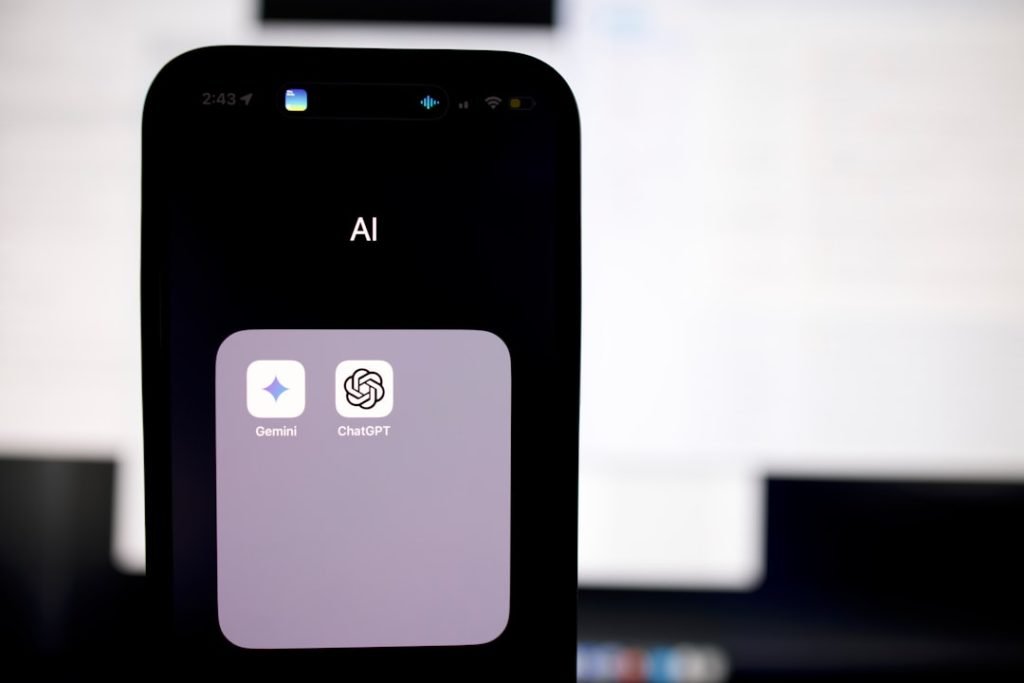
Apple has long been at the forefront of technological innovation, and its foray into artificial intelligence (AI) marks a significant evolution in its product offerings and user experience. The company has integrated AI across its ecosystem, enhancing devices and services with capabilities that were once the realm of science fiction. From Siri, the voice-activated assistant, to advanced machine learning algorithms that power features in iOS and macOS, Apple AI is not merely an add-on; it is a core component of the user experience.
This integration reflects Apple's commitment to creating intuitive, user-friendly technology that anticipates and meets the needs of its users. The development of Apple AI is rooted in the company's philosophy of seamless integration between hardware and software. By leveraging its proprietary chips, such as the A-series and M-series processors, Apple has been able to implement sophisticated AI algorithms directly on devices.
This approach not only enhances performance but also ensures user privacy, as data processing can occur locally rather than relying on cloud-based solutions. As Apple continues to innovate, the implications of its AI advancements extend beyond individual devices, influencing various sectors and shaping the future of technology.
Key Takeaways
- Apple AI is a powerful technology that is integrated into various consumer devices, health and fitness applications, autonomous vehicles, and personalized user experiences.
- The impact of Apple AI on consumer devices has revolutionized the way people interact with technology, making devices more intuitive and personalized.
- In health and fitness, Apple AI plays a crucial role in providing personalized insights and recommendations to users, ultimately improving their overall well-being.
- Apple AI is expected to play a significant role in the future of autonomous vehicles, enhancing safety, efficiency, and the overall driving experience.
- The integration of Apple AI in personalized user experiences has transformed the way individuals interact with technology, providing tailored recommendations and enhancing overall user satisfaction.
The Impact of Apple AI on Consumer Devices
Apple's integration of AI into consumer devices has transformed how users interact with technology. One of the most notable examples is Siri, which utilizes natural language processing (NLP) to understand and respond to user queries. Over the years, Siri has evolved from a basic voice assistant to a sophisticated tool capable of performing complex tasks, such as setting reminders, sending messages, and even controlling smart home devices.
The continuous improvement of Siri's contextual understanding and voice recognition capabilities exemplifies how Apple AI enhances user convenience and accessibility. Moreover, Apple's AI-driven features extend to photography through the computational photography capabilities found in the iPhone's camera system. The Smart HDR feature, for instance, employs machine learning algorithms to analyze scenes and optimize image quality by balancing exposure and color.
This technology allows users to capture stunning photographs without requiring extensive knowledge of photography techniques. Additionally, features like Portrait Mode and Night Mode leverage AI to create professional-quality images in various lighting conditions, showcasing how Apple AI elevates everyday experiences for consumers.
The Role of Apple AI in Health and Fitness

Apple's commitment to health and fitness is evident in its integration of AI within the Apple Watch and Health app. The Apple Watch employs advanced algorithms to monitor heart rate, track workouts, and even detect irregular heart rhythms through its ECG feature. These capabilities are powered by machine learning models that analyze biometric data in real-time, providing users with actionable insights into their health.
For instance, the watch can alert users to potential health issues before they become critical, emphasizing Apple's focus on preventive healthcare. Furthermore, the Health app aggregates data from various sources, including third-party fitness apps and devices, to provide a comprehensive view of an individual's health metrics. By utilizing AI to analyze this data, the app can offer personalized recommendations for improving fitness levels or achieving health goals.
This integration not only empowers users to take control of their health but also fosters a greater awareness of wellness trends and behaviors. As Apple continues to refine its health-related AI applications, the potential for improving public health outcomes becomes increasingly significant.
Apple AI and the Future of Autonomous Vehicles
| Metrics | Data |
|---|---|
| Investment in AI research | 1 billion |
| Number of AI experts hired | Several hundred |
| Autonomous vehicle testing miles | Over 2 million |
| Partnerships with car manufacturers | Several |
| Projected launch of autonomous vehicle | 2025 |
Apple's ambitions in the realm of autonomous vehicles have been a topic of speculation for years. The company's Project Titan aims to develop self-driving technology that could revolutionize transportation. While details remain largely under wraps, it is clear that Apple AI will play a pivotal role in this endeavor.
The integration of machine learning algorithms for object recognition, navigation, and decision-making processes is essential for creating a safe and efficient autonomous driving experience. Apple's expertise in hardware design and software development positions it uniquely within the automotive industry. By leveraging its existing technologies—such as LiDAR sensors and advanced computer vision—Apple can create vehicles that not only navigate complex environments but also learn from their surroundings over time.
This adaptive learning capability could lead to safer driving experiences as vehicles become more attuned to real-world conditions. As Apple continues to explore partnerships with automotive manufacturers and invest in research, the potential impact of its AI-driven autonomous vehicles could reshape urban mobility and transportation infrastructure.
Apple AI and its Influence on Personalized User Experiences
Personalization has become a cornerstone of modern technology, and Apple AI is at the forefront of this trend. By analyzing user behavior and preferences, Apple can tailor experiences across its ecosystem to meet individual needs. For example, the App Store employs machine learning algorithms to recommend apps based on a user's previous downloads and interactions.
This level of personalization enhances user engagement and satisfaction by presenting relevant content that aligns with their interests. In addition to app recommendations, Apple's AI capabilities extend to content curation within services like Apple Music and Apple News. By understanding user preferences through listening habits or reading patterns, these platforms can suggest music playlists or news articles that resonate with individual tastes.
This personalized approach not only enriches the user experience but also fosters a deeper connection between users and Apple's services. As machine learning continues to evolve, the potential for even more nuanced personalization will likely enhance how users interact with technology on a daily basis.
The Ethical Implications of Apple AI
As with any technological advancement, the rise of Apple AI brings forth ethical considerations that warrant careful examination. One significant concern revolves around data privacy and security. Apple's commitment to user privacy is well-documented; however, as AI systems become more sophisticated, the potential for misuse or unintended consequences increases.
For instance, while local data processing enhances privacy, it also raises questions about how much data should be collected in the first place and how it is used to train machine learning models. Another ethical consideration involves algorithmic bias. Machine learning models are only as good as the data they are trained on; if that data reflects societal biases, the resulting algorithms may perpetuate those biases in their outputs.
For example, facial recognition technology has faced scrutiny for exhibiting racial bias due to underrepresentation in training datasets. As Apple continues to develop AI technologies, it must prioritize fairness and inclusivity in its algorithms to ensure that all users are treated equitably.
The Integration of Apple AI in Business and Industry
Beyond consumer applications, Apple AI is making significant strides in business and industry sectors. The introduction of tools like Core ML allows developers to integrate machine learning capabilities into their applications seamlessly. This democratization of AI technology enables businesses across various industries—such as healthcare, finance, and retail—to harness the power of machine learning without requiring extensive expertise in data science.
In healthcare, for instance, Apple’s machine learning frameworks can assist in diagnosing diseases by analyzing medical images or patient data more efficiently than traditional methods. In finance, predictive analytics powered by AI can enhance risk assessment processes or improve customer service through chatbots that provide instant support. Retailers can leverage AI-driven insights to optimize inventory management or personalize marketing strategies based on consumer behavior patterns.
As businesses increasingly adopt these technologies, the potential for increased efficiency and innovation becomes apparent.
The Future of Apple AI and its Potential Impact on Society
The trajectory of Apple AI suggests a future where technology becomes even more integrated into daily life, enhancing convenience while raising important ethical questions. As Apple continues to innovate within this space, its influence will likely extend beyond consumer devices into broader societal implications. The advancements in health monitoring could lead to improved public health outcomes; autonomous vehicles may reshape urban landscapes; personalized experiences could redefine how individuals interact with technology.
However, with these advancements come responsibilities that Apple must navigate carefully. Ensuring user privacy while harnessing data for innovation will be crucial in maintaining trust among consumers. Additionally, addressing algorithmic bias will be essential for creating equitable technologies that serve diverse populations effectively.
As we look ahead, the potential impact of Apple AI on society is profound—offering both opportunities for enhancement and challenges that require thoughtful consideration and proactive measures.
Apple recently announced their plans to invest in artificial intelligence technology to improve their products and services. This move aligns with a recent article on The Training Master blog discussing the impact of AI on the tech industry. To learn more about this topic, check out the article here.
FAQs
What is Apple AI?
Apple AI refers to the artificial intelligence technology developed by Apple Inc. It encompasses various AI-powered features and capabilities integrated into Apple's products and services.
What are some examples of Apple AI?
Some examples of Apple AI include Siri, the virtual assistant that uses natural language processing and machine learning to understand and respond to user commands, as well as features like facial recognition in the Photos app and predictive text suggestions in the keyboard.
How does Apple use AI in its products?
Apple uses AI in its products to enhance user experience, improve device performance, and enable new functionalities. AI is used for tasks such as voice recognition, image and speech processing, predictive analytics, and personalization of user interactions.
What are the privacy implications of Apple AI?
Apple emphasizes user privacy and data security in its AI implementations. The company has implemented measures such as on-device processing and differential privacy to protect user data while still delivering AI-powered features and services.
How does Apple approach ethical considerations in AI development?
Apple has stated its commitment to ethical AI development and has established internal guidelines and principles for the responsible use of AI. The company aims to ensure that its AI technologies are developed and deployed in a manner that aligns with ethical standards and societal values.