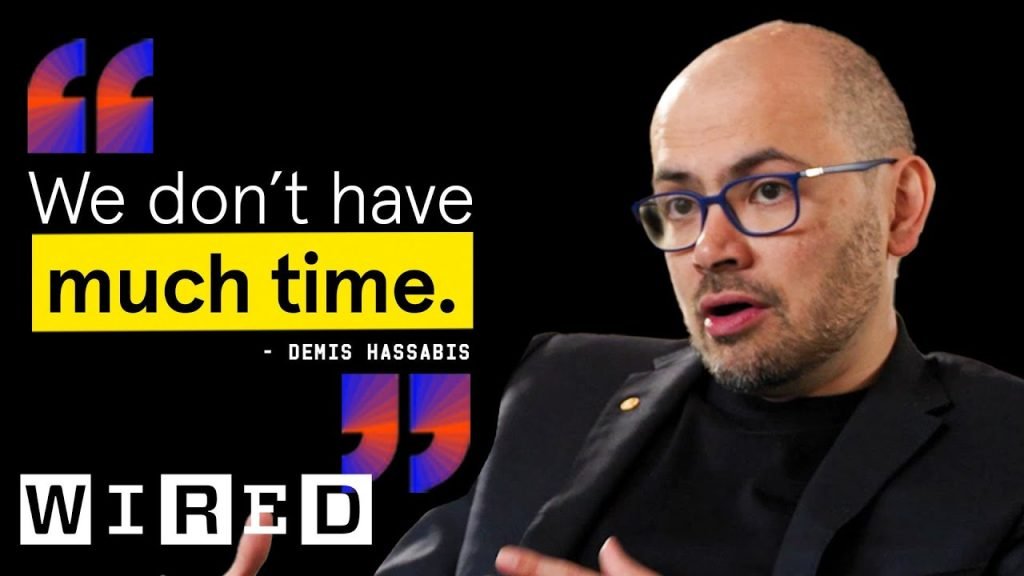
In a detailed interview with Dennis Sabis, CEO of Google DeepMind, the discussion delves into the significant developments, promises, and concerns surrounding artificial intelligence, particularly focusing on the advent of Artificial General Intelligence (AGI). Sabis estimates that AGI may arrive within the next 5 to 10 years, with a mention of the ongoing debate regarding its definition and timeline. Despite differing predictions in the scientific community, Sabis emphasizes the importance of AGI being able to perform across diverse cognitive functions at a human-like level, noting the current gaps in reasoning, planning, memory, and consistent performance across systems like LLMs and chatbots.
The conversation touches on geopolitical nuances, such as challenges posed by AGI development across different countries, influenced by each nation's values and priorities. With significant investment and progress, Sabis underscores both the potential transformative impacts of AGI on major global challenges like disease and energy, and the critical ethical issues of safety and misuse. He also discusses the response of regulatory bodies, noting a shift from seeking regulation to a more competitive stance driven by geopolitical concerns, specifically comparing U.S. and Chinese initiatives.
The interview also explores the implications of AGI on employment and job markets, citing current insignificant impacts yet anticipating significant changes in the coming years. Sabis is optimistic about the synergy between human workers and AI tools boosting productivity and creating high-quality jobs.
Looking further ahead, Sabis envisions a world of ‘radical abundance' enabled by AGI, solving fundamental human challenges like disease, energy provision, and enabling expanded human potential and conquests, such as space colonization. However, he acknowledges the persistent societal challenges of inequality and access, which also need addressing alongside technological advancements. The conversation wraps with reflections on the pace of innovation driven by capitalist motivations, the need for new economic theories in a post-AGI world, and the public sentiment that occasionally resists such rapid technological changes.