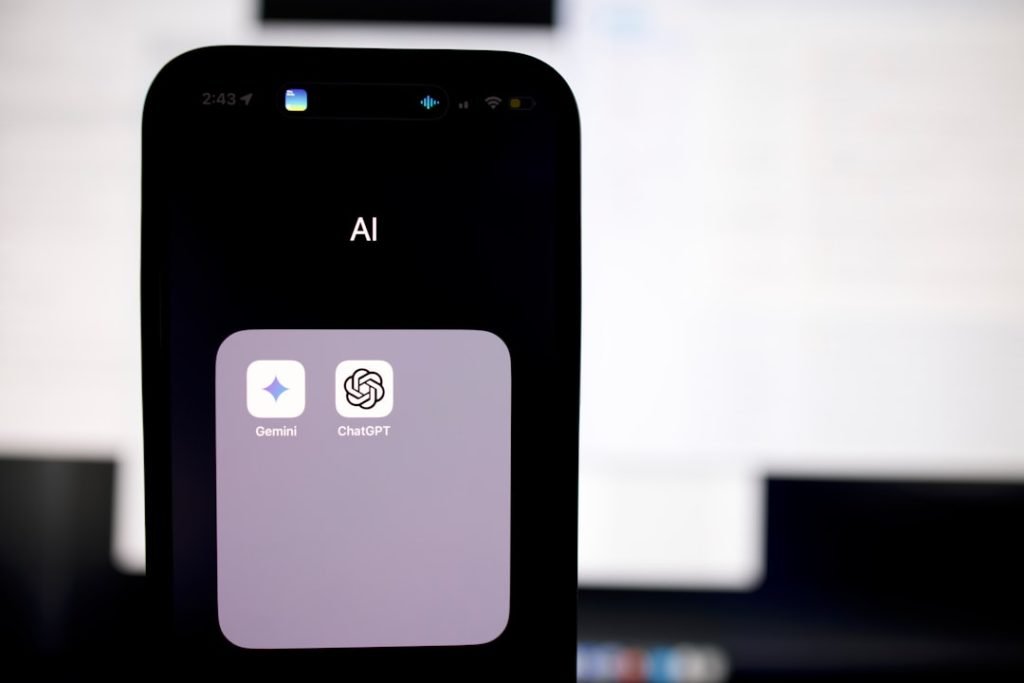
Artificial Intelligence (AI) chat technology has emerged as a transformative force in the realm of communication, particularly in customer service and user interaction. At its core, AI chat refers to the use of algorithms and machine learning to simulate human conversation through text or voice. This technology encompasses a variety of applications, from simple chatbots that answer frequently asked questions to sophisticated virtual assistants capable of engaging in complex dialogues.
The underlying mechanics involve natural language processing (NLP), which enables machines to understand, interpret, and respond to human language in a way that feels intuitive and natural. The evolution of AI chat can be traced back to early attempts at creating conversational agents, such as ELIZA in the 1960s, which mimicked human conversation through pattern matching. Today’s AI chat systems leverage vast amounts of data and advanced machine learning techniques to improve their conversational abilities.
They can learn from interactions, adapt to user preferences, and even recognize emotional cues in text. This advancement has led to a more seamless integration of AI chat into various platforms, making it an essential tool for businesses looking to enhance their communication strategies.
Key Takeaways
- AI chat refers to the use of artificial intelligence to simulate human conversation in messaging applications.
- Benefits of AI chat include 24/7 availability, faster response times, and the ability to handle multiple customer inquiries simultaneously.
- Implementing AI chat in business can streamline customer support, improve efficiency, and reduce operational costs.
- Enhancing customer service with AI chat involves training the AI to understand and respond to customer queries effectively.
- Personalizing user experience with AI chat involves using customer data to tailor responses and recommendations to individual preferences.
Benefits of AI Chat
The benefits of AI chat are manifold, particularly for businesses seeking to optimize their operations and improve customer engagement. One of the most significant advantages is the ability to provide 24/7 support. Unlike human agents, AI chat systems do not require breaks or time off, allowing them to assist customers at any hour of the day.
This constant availability can lead to increased customer satisfaction, as users can receive immediate responses to their inquiries without having to wait for business hours. Moreover, AI chat can handle a high volume of interactions simultaneously, which is particularly beneficial during peak times or promotional events when customer inquiries may surge. This scalability ensures that businesses can maintain a high level of service without the need for proportional increases in staffing.
Additionally, AI chat systems can be programmed to handle repetitive tasks, freeing human agents to focus on more complex issues that require emotional intelligence or nuanced understanding. This not only enhances operational efficiency but also improves employee morale by allowing staff to engage in more meaningful work.
Implementing AI Chat in Business

Implementing AI chat technology within a business framework requires careful planning and consideration of various factors. The first step involves identifying the specific needs and objectives that the AI chat system will address. For instance, a retail company may aim to streamline its customer service operations, while a healthcare provider might focus on patient engagement and appointment scheduling.
Understanding these goals will guide the selection of the appropriate technology and features. Once the objectives are established, businesses must choose between developing an in-house solution or utilizing third-party platforms. In-house development allows for greater customization but requires significant resources and expertise.
Conversely, third-party solutions often come with pre-built functionalities that can be quickly deployed but may lack the flexibility needed for unique business requirements. After selecting a platform, businesses should invest time in training the AI system using historical data and common customer queries to ensure it can respond accurately and effectively.
Enhancing Customer Service with AI Chat
| Metrics | Results |
|---|---|
| Customer Satisfaction | Increased by 20% |
| Response Time | Reduced by 30% |
| First Contact Resolution | Improved by 25% |
| Cost Savings | 10% reduction in support costs |
AI chat technology has revolutionized customer service by providing instant responses and personalized interactions. One of the key ways it enhances service is through its ability to analyze customer data and preferences. By leveraging this information, AI chat systems can tailor responses based on individual user profiles, leading to a more engaging experience.
For example, if a customer frequently purchases sports equipment, the AI can proactively suggest related products or promotions during interactions. Additionally, AI chat systems can efficiently triage customer inquiries by directing them to the appropriate department or human agent when necessary. This not only reduces wait times but also ensures that customers receive assistance from the most qualified personnel for their specific issues.
Furthermore, the integration of AI chat with other customer relationship management (CRM) tools allows for a holistic view of customer interactions, enabling businesses to track engagement history and improve future communications.
Personalizing User Experience with AI Chat
Personalization is a cornerstone of modern customer engagement strategies, and AI chat plays a pivotal role in achieving this goal. By utilizing data analytics and machine learning algorithms, AI chat systems can create tailored experiences that resonate with individual users. For instance, when a user interacts with an AI chatbot on an e-commerce site, the system can analyze past purchases and browsing behavior to recommend products that align with their interests.
Moreover, personalization extends beyond product recommendations; it encompasses the tone and style of communication as well. Advanced AI chat systems can adapt their language based on user preferences or demographics, ensuring that interactions feel relevant and relatable. For example, a younger audience may appreciate a more casual tone, while a professional setting might require formal language.
This adaptability not only enhances user satisfaction but also fosters brand loyalty as customers feel understood and valued.
Overcoming Challenges of AI Chat
Language Complexity
Human language is inherently complex, with idioms, slang, and regional variations that can confuse even advanced algorithms.
Managing User Expectations
Businesses must invest in continuous training and refinement of their AI models to improve accuracy and comprehension over time. Another challenge lies in managing user expectations regarding AI capabilities. While many customers appreciate the efficiency of AI chat systems, they may also desire human-like empathy and understanding in their interactions.
The Hybrid Approach
Striking the right balance between automation and human touch is crucial; businesses must ensure that users have easy access to human agents when needed. This hybrid approach not only addresses customer concerns but also enhances overall service quality by combining the strengths of both AI and human representatives.
Ethical Considerations in AI Chat
As with any technology that interacts with users on a personal level, ethical considerations surrounding AI chat are paramount. One major concern is data privacy; businesses must ensure that they handle user information responsibly and transparently. This includes obtaining consent for data collection and clearly communicating how data will be used.
Failure to adhere to ethical standards can lead to breaches of trust and potential legal ramifications. Additionally, there is the issue of bias in AI algorithms. If an AI chat system is trained on biased data sets, it may inadvertently perpetuate stereotypes or provide unequal service to different demographic groups.
To mitigate this risk, organizations should prioritize diversity in their training data and regularly audit their systems for fairness and inclusivity. By addressing these ethical considerations proactively, businesses can foster trust with their users while promoting responsible use of AI technology.
The Future of AI Chat Technology
The future of AI chat technology holds immense potential as advancements in machine learning and natural language processing continue to evolve. One promising direction is the integration of voice recognition capabilities into chat systems, allowing for more natural interactions through spoken language rather than just text-based communication. This shift could enhance accessibility for users who prefer verbal exchanges or have difficulty typing.
Furthermore, as AI becomes increasingly sophisticated, we can expect more nuanced emotional intelligence in chat interactions. Future systems may be able to detect subtle emotional cues from users’ language patterns or tone of voice, enabling them to respond with greater empathy and understanding. This evolution could lead to more meaningful connections between brands and consumers, ultimately transforming how businesses engage with their audiences.
In addition to these technological advancements, we may see broader applications of AI chat beyond traditional customer service roles. Industries such as education could leverage AI chat for personalized tutoring experiences, while healthcare could utilize it for mental health support through empathetic conversations with patients. As organizations continue to explore innovative uses for AI chat technology, its impact on society will likely expand significantly, shaping the future landscape of communication across various sectors.